Go beyond apparences
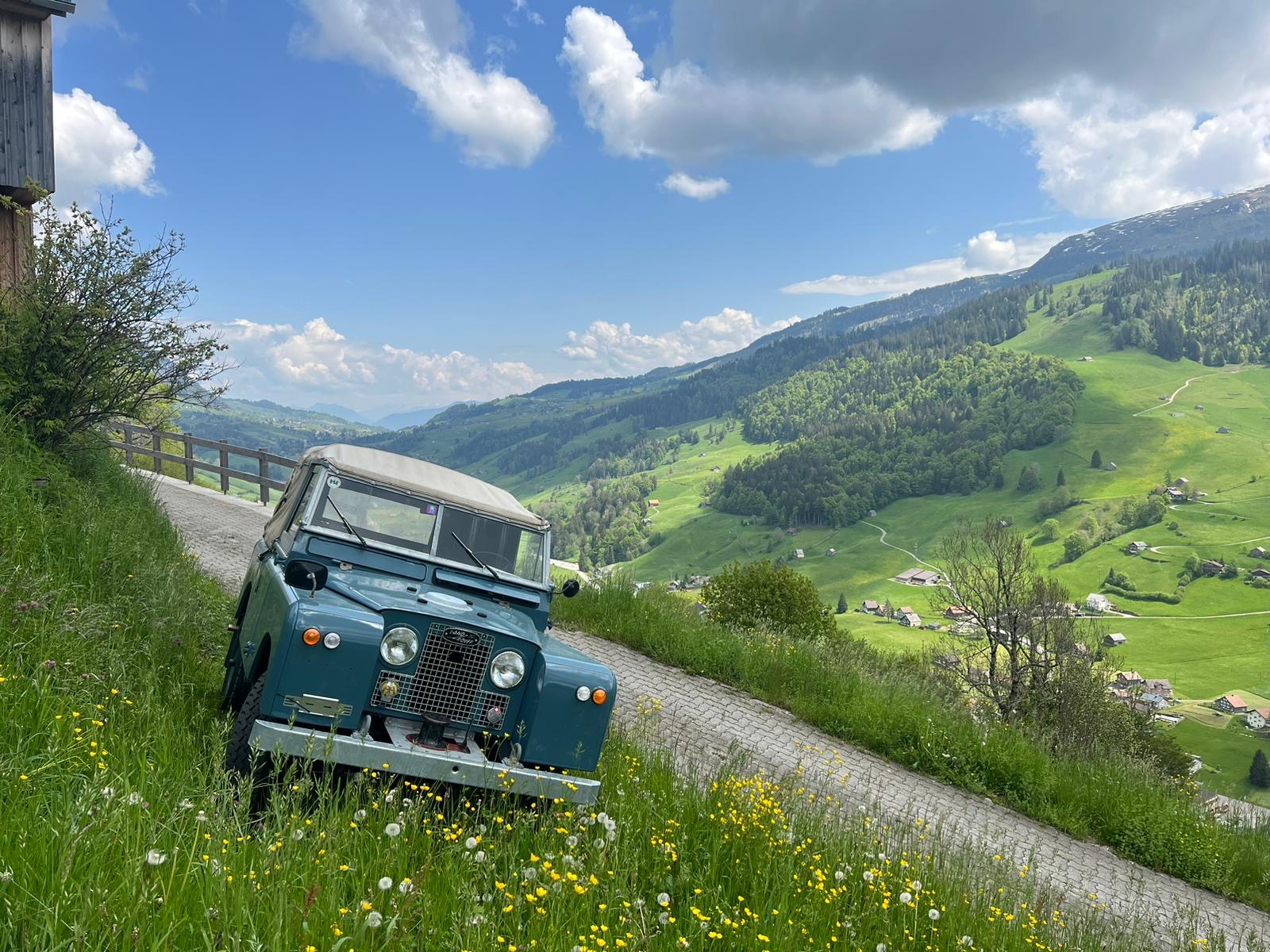
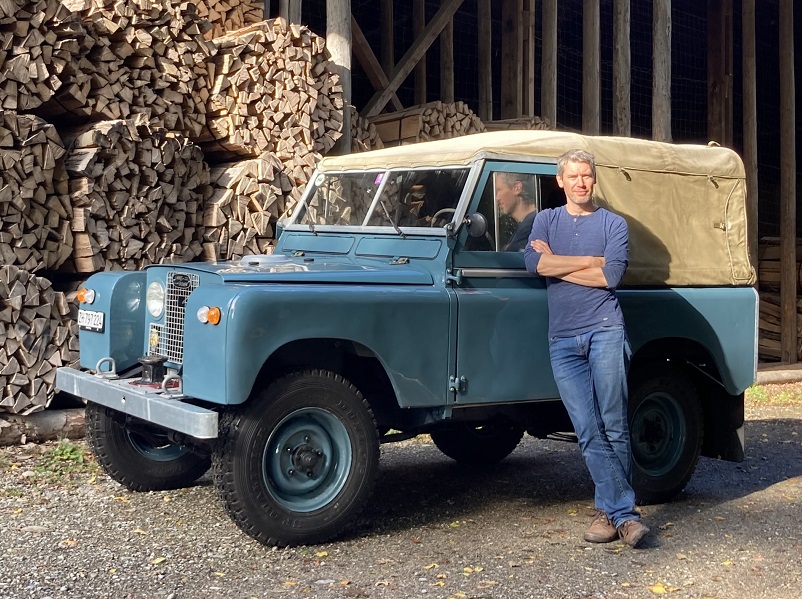
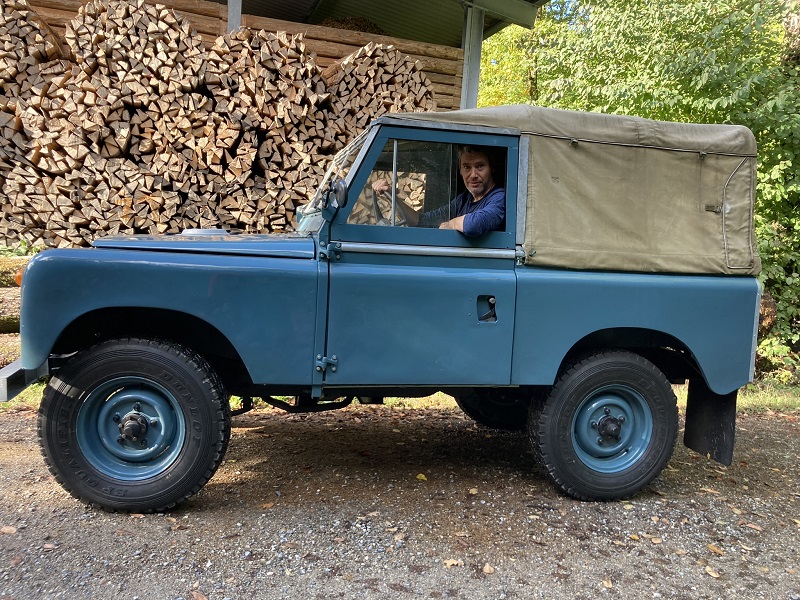
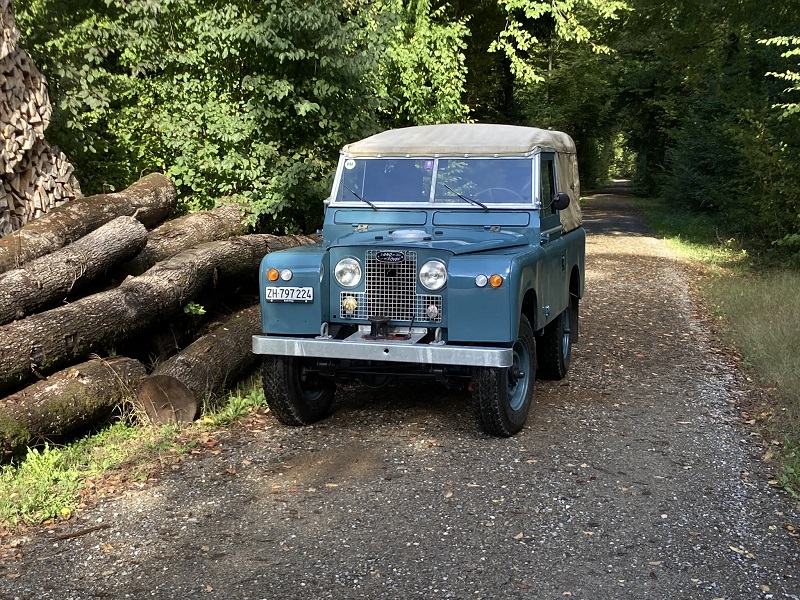
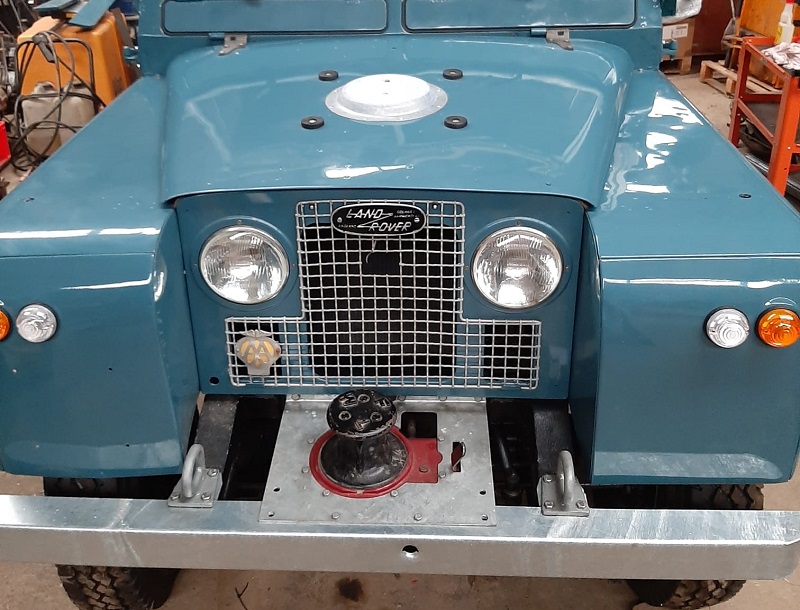
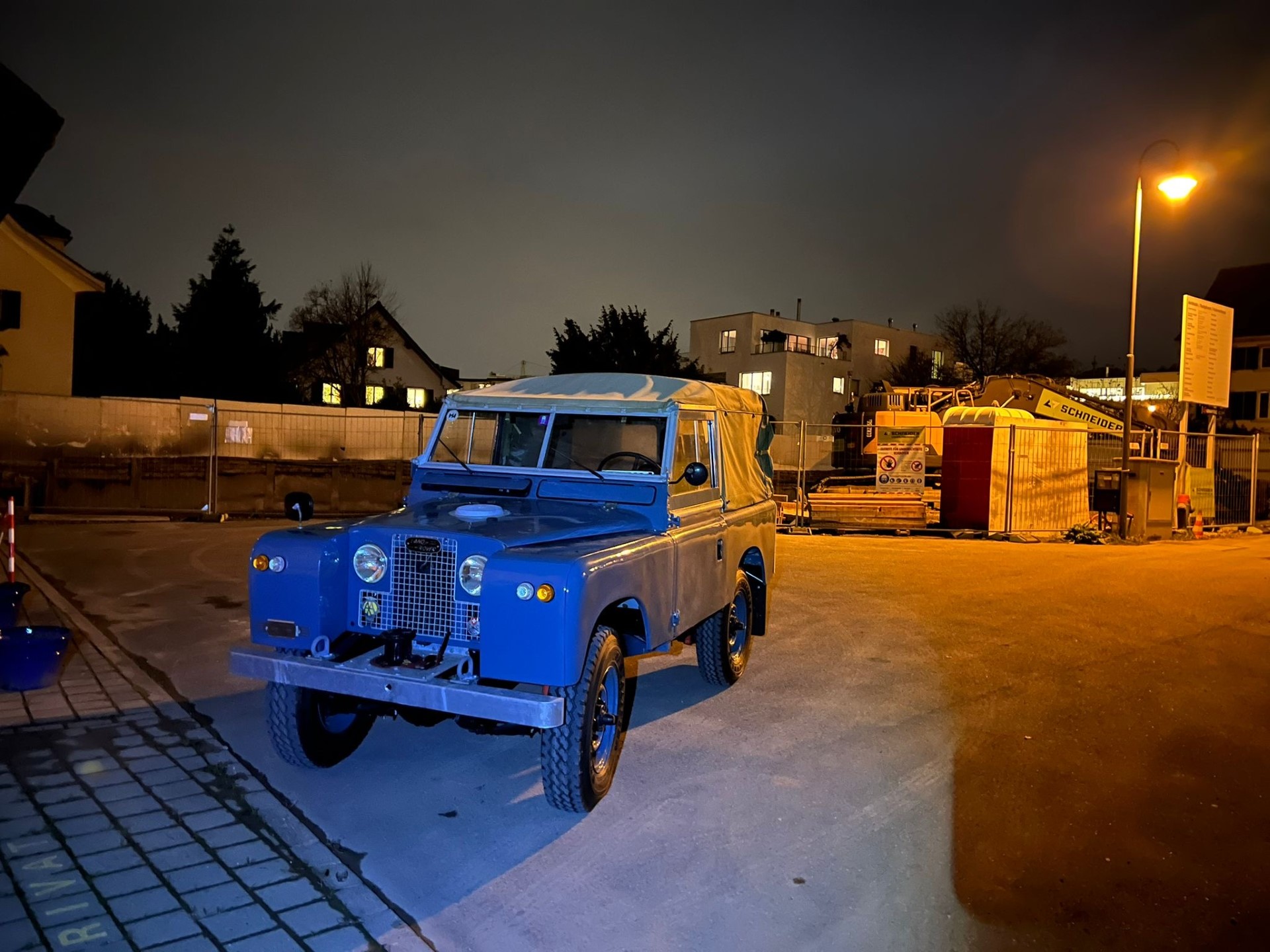
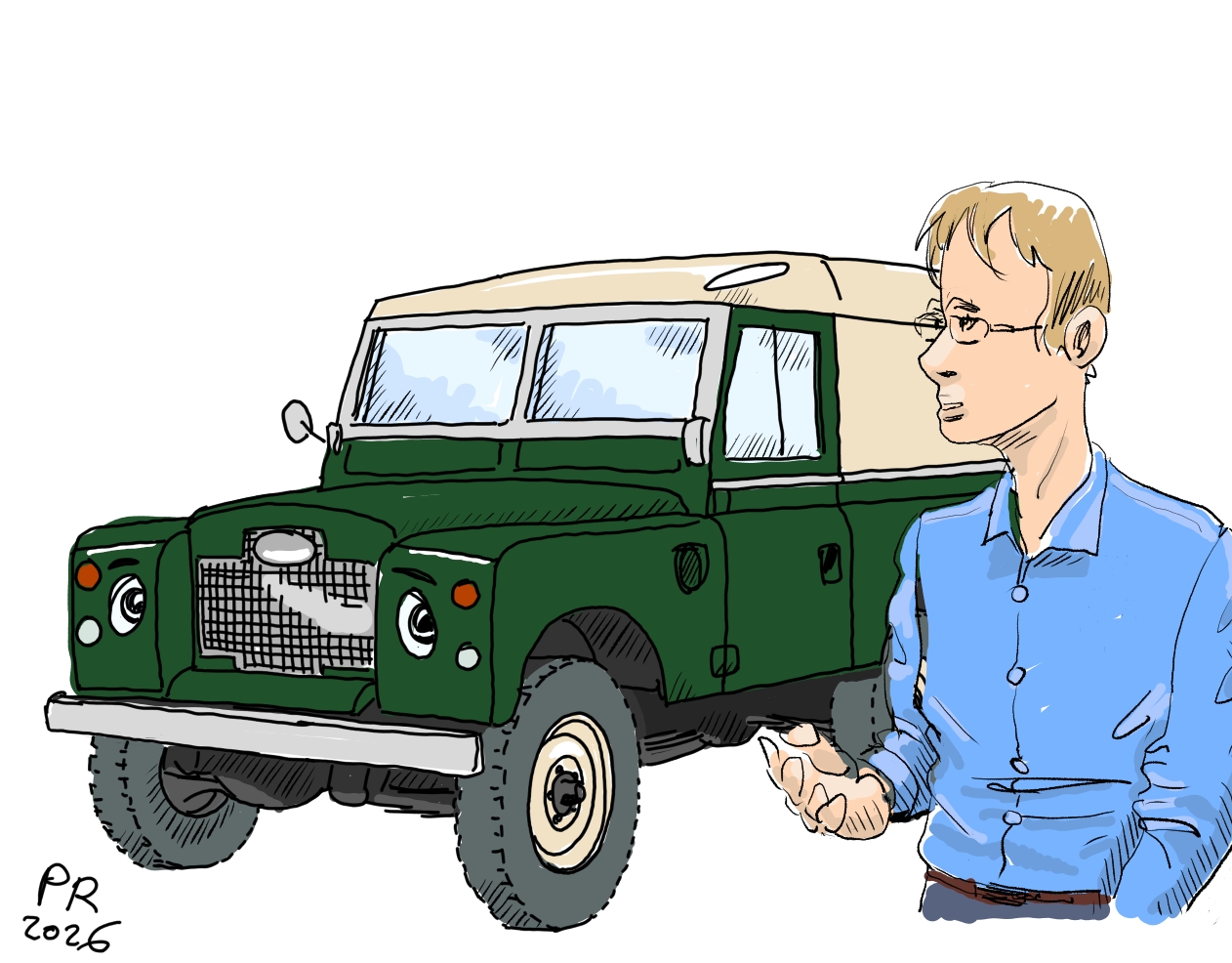
Victoria is an old car, also
called a "classic"
In a world driven by constant product renewal and fast consumption, choosing a classic car can also reflect a more sustainable and less consumer-driven way of life. Beyond their timeless character, well-maintained vintage vehicles are built to last, encouraging preservation rather than replacement, and offering a more nuanced approach to environmental responsibility.

Longevity and Durability
Long forgotten notions
Classic cars, when properly cared for, are remarkably durable and often built to a standard rarely seen today. Unlike many modern vehicles designed around short product cycles, they were made to last for decades. Maintaining or restoring a classic car not only preserves automotive heritage, but also keeps an existing vehicle alive and usable for future generations.
Classic cars are built in a way long forgotten where
parts were designed to be repaired by local mechanics,
while today parts are systematically replaced by new
items, shipped from the other side of the planet, to
save the most expensive resources of our modern
societies: time !

Environmental Impact
The obvious and the less obvious
While debates about emissions and fuel efficiency
dominate discussions on sustainability, the
environmental impact of manufacturing new cars is often
overlooked. The production of a new vehicle involves
extensive resource extraction, energy consumption, and
waste generation.
The decision to maintain and cherish a classic car
conserves not only the vehicle itself but also the
resources invested in its creation. Unlike the continuous production of new vehicles, keeping classic cars on the road reduces the demand for new raw materials, energy-heavy manufacturing, and the scrapping of older cars.
It aligns with a philosophy that values resource
conservation and responsible consumption.
By choosing a classic car, enthusiasts contribute to reducing the demand for new vehicle production, aligning with the principles of sustainable living.

Anti-Consumerist Philosophy
Less is more... we agree !
Classic car owners appreciate the enduring appeal of their vehicles, valuing a mindset that prioritizes value and craftsmanship over fleeting trends.

Economic Support for Garages and Employment
Think local
The care and maintenance required by classic cars create a unique symbiosis with local garages and skilled artisans. Unlike the standardized service model of modern vehicles, classic cars demand specialized attention and craftsmanship.
By investing in the preservation of these automotive treasures, enthusiasts contribute directly to the vitality of local garages, supporting employment and the preservation of valuable skills.

Preservation of Heritage
It is sustainability
too
Classic cars are more than modes of transportation; they are pieces of cultural heritage. Preserving and maintaining these automotive treasures ensures that the craftsmanship, design, and engineering brilliance of bygone eras continue to be celebrated. In contrast to disposable consumer goods, classic cars encourage a thoughtful, long-term perspective on ownership. In conclusion, the choice to own and maintain a classic car transcends mere transportation; it symbolizes a commitment to sustainability, anti-consumerism, and the appreciation of enduring craftsmanship. By embracing the longevity and timeless appeal of classic cars, enthusiasts contribute to a more sustainable and thoughtful automotive culture—one that values the past and considers the impact on future generations.
Low Mileage, Mitigated Drawbacks
Absolute value matters
Classic cars, often driven for leisure and special occasions, cover a fraction of the kilometers logged by daily commuters in modern vehicles. This reduced usage mitigates the environmental impact associated with fuel consumption, emissions, and wear and tear. Classic car enthusiasts are inadvertently practicing sustainable transportation by limiting their vehicles' usage to moments of joy and celebration. Classic cars, often driven sparingly, experience less wear and tear than their daily-driven counterparts. This lower mileage not only contributes to their longevity but also mitigates potential drawbacks, such as fuel consumption and emissions. The limited usage pattern transforms classic cars into symbols of thoughtful transportation, emphasizing quality over quantity.

Plastic Proliferation
We don't like plastic !
Despite advancements in recycling technologies, a significant chunk of the plastic used in car production remains challenging to recycle or is down-cycled into lower-value products. The result is an accumulation of plastic waste, contributing to environmental pollution and ecological strain.
The Weighty Impact of Vehicle Evolution
Absolute value matters
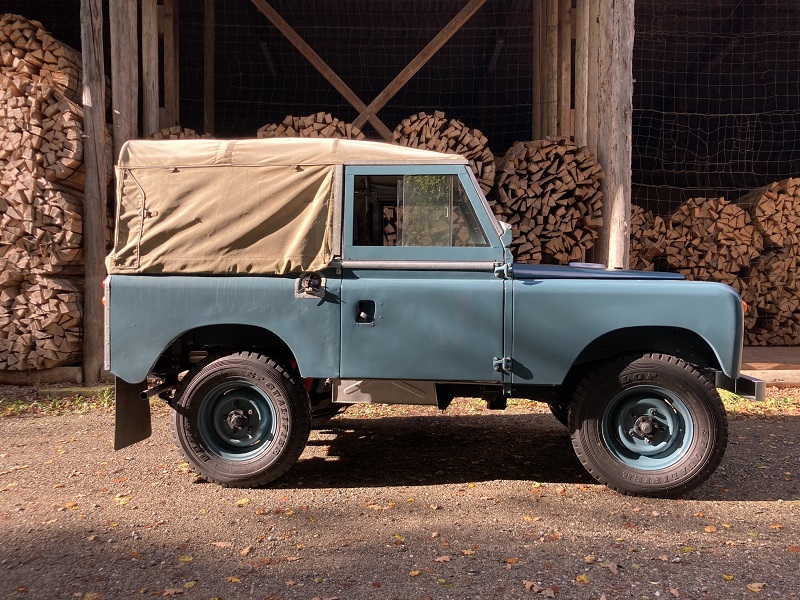
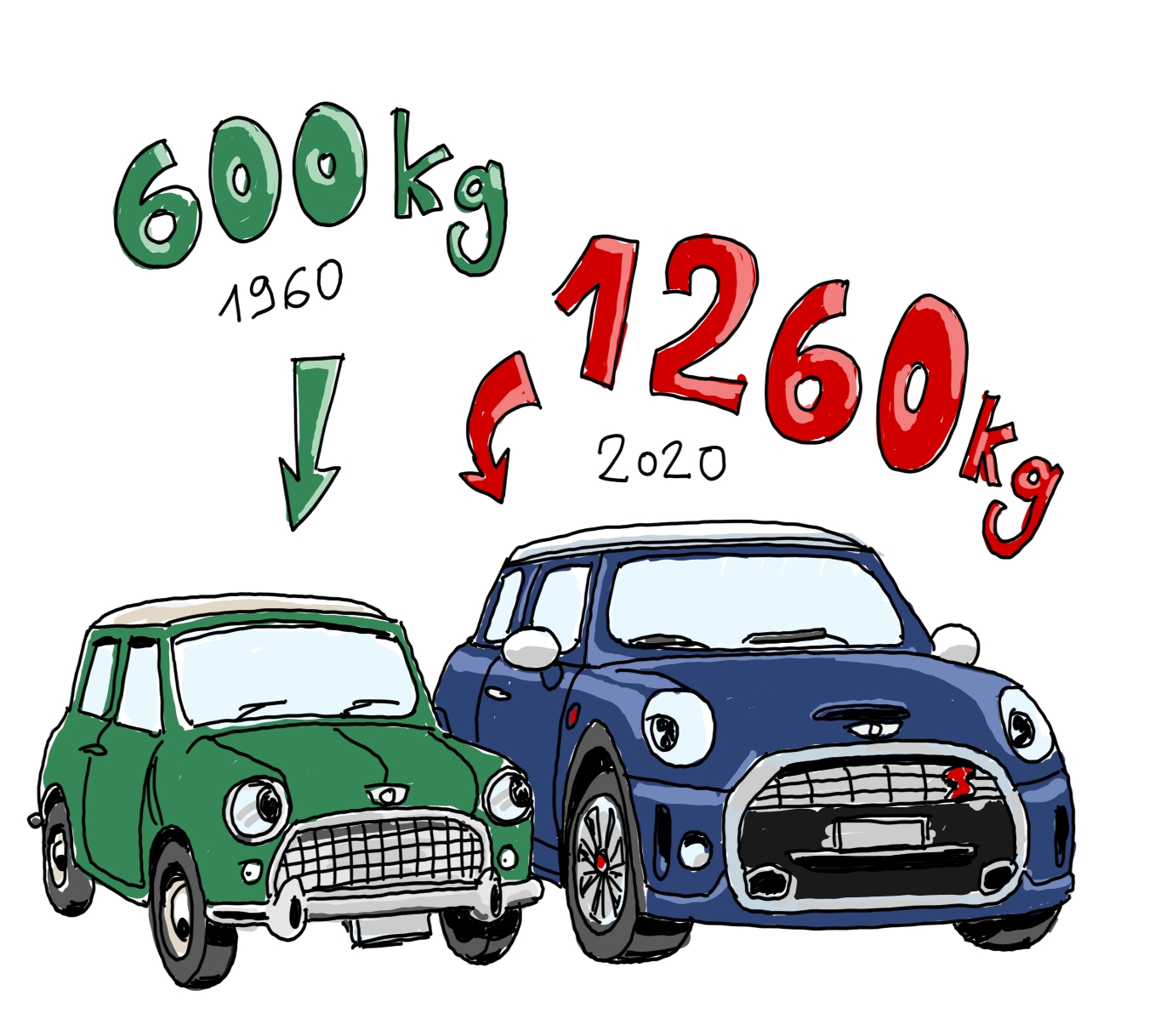
In the 1960s, light SUVs were characterized by their modest weight. The Land Rover SIIA 88" 1.3 ton, with a capacity of carrying 7 people. Today, a noticeable shift has occurred, with modern light SUVs often weighing significantly more due to advancements in safety features, additional technology, and larger sizes. An average SUV today sitting 7 persons weighs between 1.8 ton and 2.7 ton !
The increase in vehicle weight translates to higher resource consumption during manufacturing. The demand for stronger materials and reinforced structures adds to the extraction of raw materials, energy-intensive processes, and an overall higher environmental footprint associated with modern vehicles. Heavier vehicles typically require more fuel to operate, resulting in increased emissions. The environmental impact extends beyond the manufacturing stage to the entire lifecycle of the vehicle. Classic cars, with their comparatively lighter weight, present an alternative that aligns with the principles of sustainability and lower carbon emissions.
Future Considerations
Back to the future
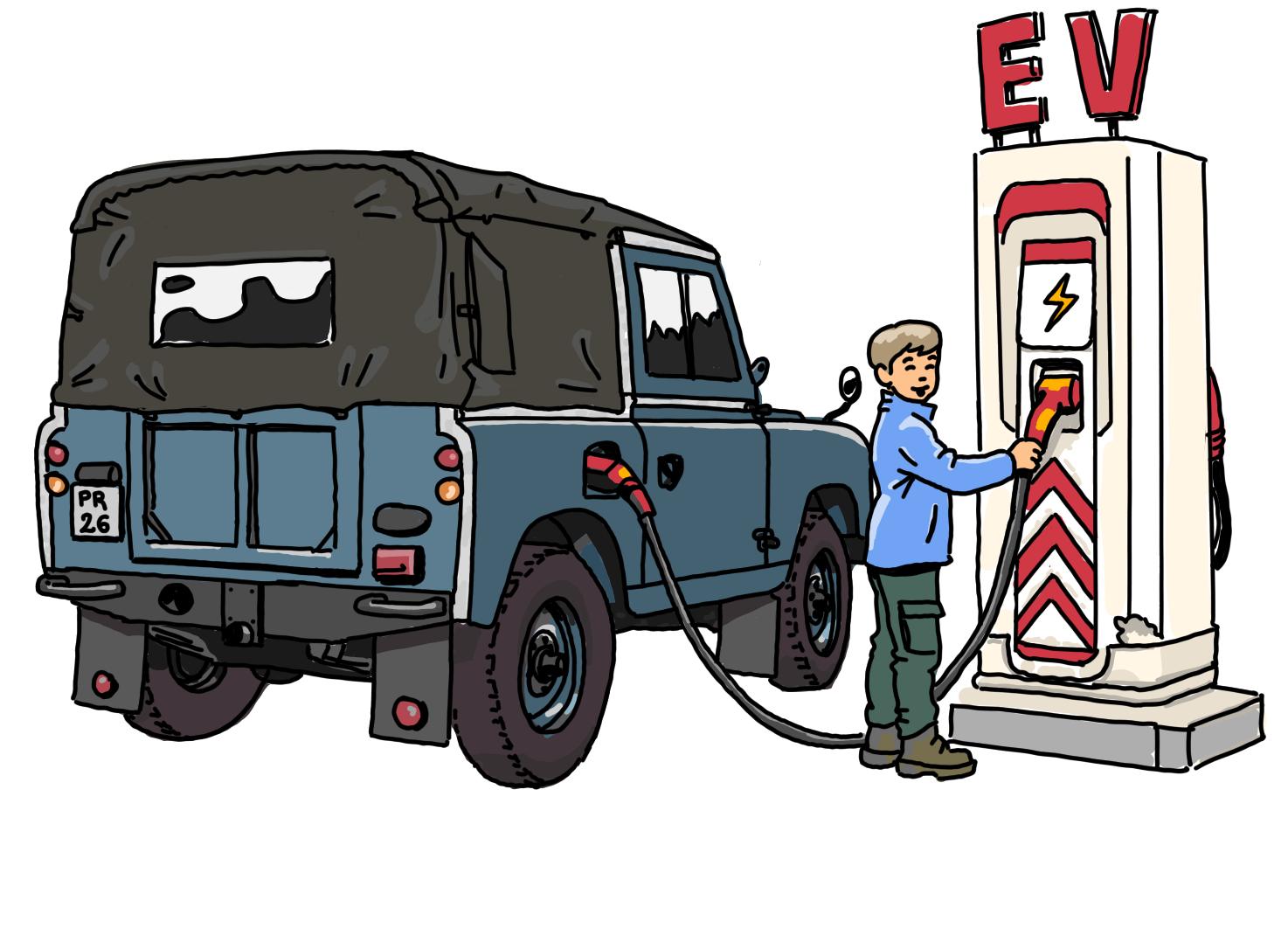
Classic cars offer a glimpse into an era where balance between functionality and comfort design was achieved—a perspective that can inform future decisions for a more sustainable automotive landscape. Embracing the elegance of a well-maintained classic car becomes a conscious choice for individuals seeking to minimize their carbon footprint without compromising on the joy of driving.