Matching spirits
When riding a special car, one might want to match the look.
Driving a classic car is about more than preserving a vehicle. It is also about experiencing a small piece of history. This is why, choosing clothing and accessories that match the vehicle's spirit completes that experience, paying tribute to the people who originally drove it.
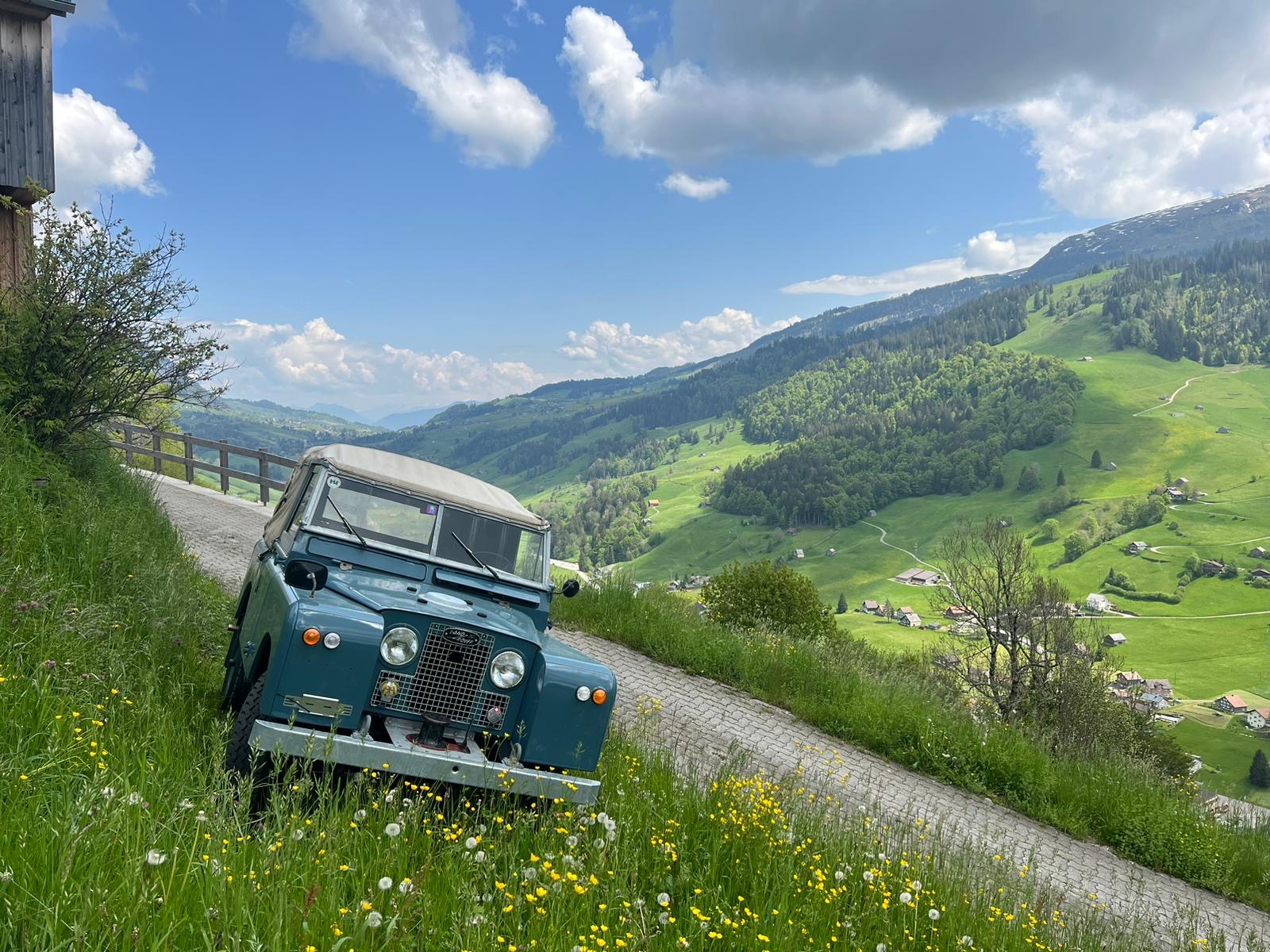
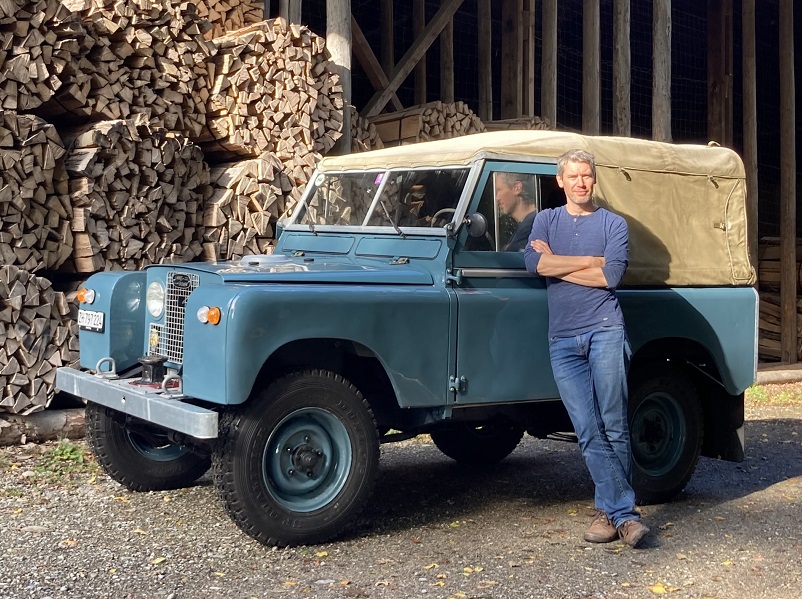
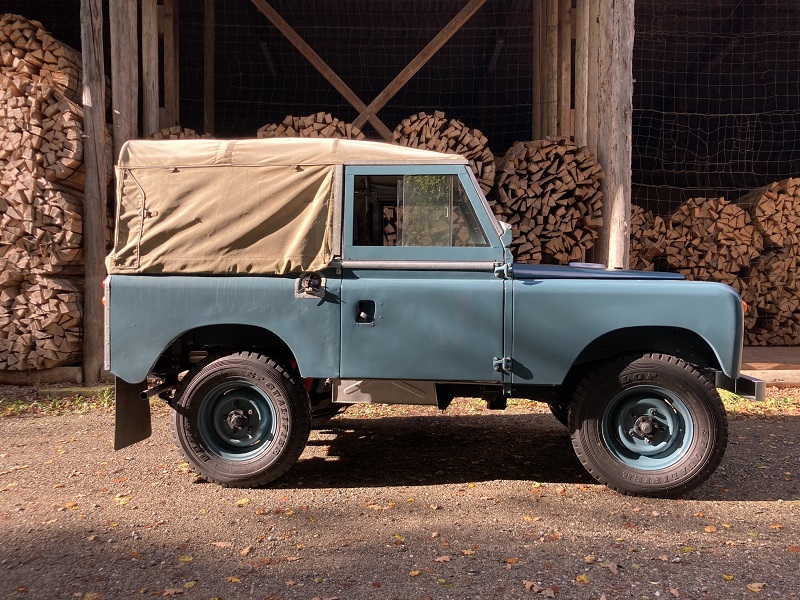
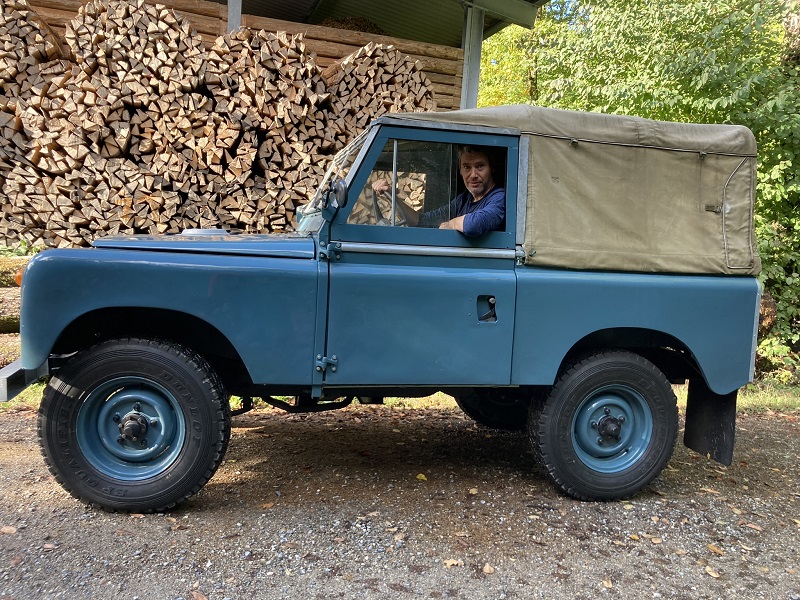
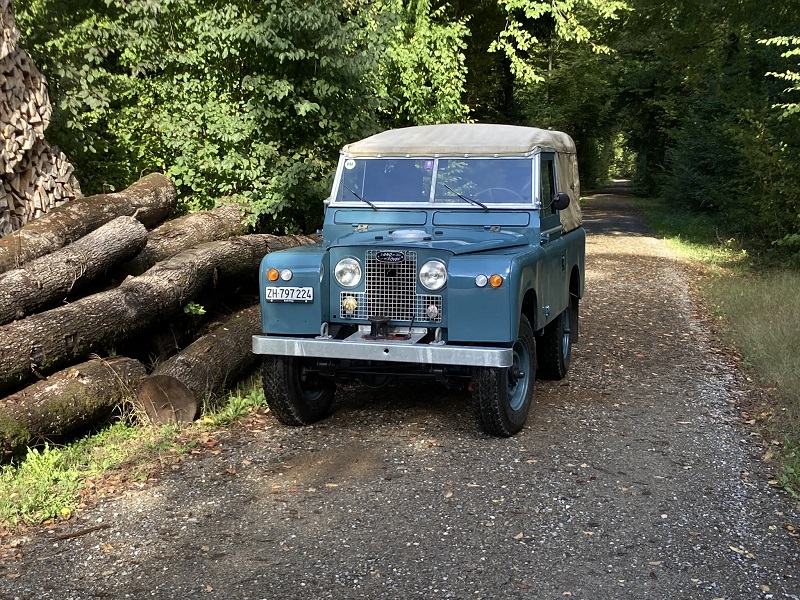
This is especially true for the Land Rover. Today, SUVs are bought for leisure and appearance, yet they may never leave the tarmac. In the 1950s until 1980s, the situation was quite different. A Land Rover was purchased with a purpose: it was a working tool, long before it definitively became a lifestyle icon and lost its purpose.
Because these vehicles were built for practical tasks, their owners tended to wear equally practical clothing. Durability, weather protection and comfort mattered far more than fashion. Although each profession had its own variations, they all shared a similar philosophy: sturdy boots, canvas or waxed jackets, wool jumpers, practical hats and hard-wearing trousers designed to withstand long days outdoors.
The following outfits are inspired by those original users. They are not costumes, but subjective interpretations of the clothing that helped the people who relied on it every day.
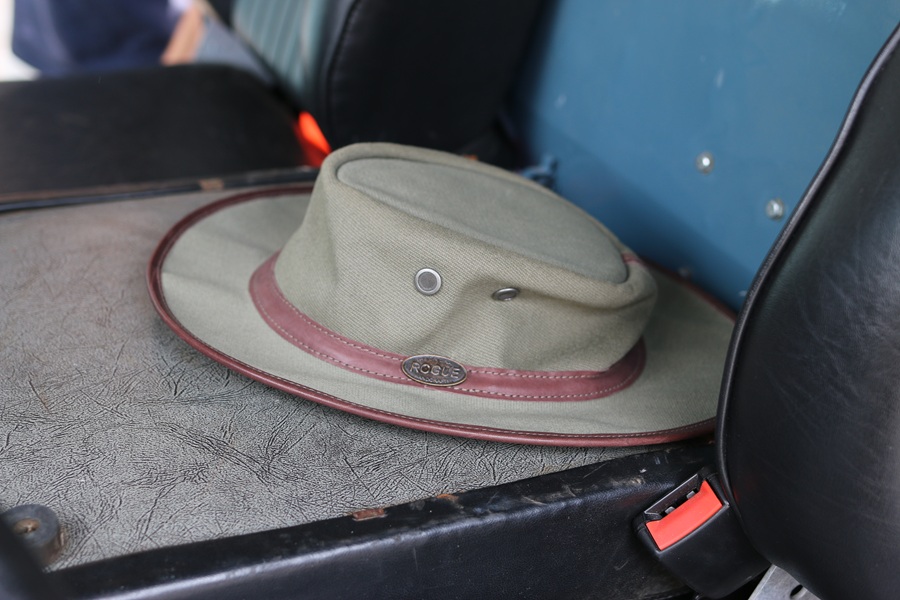
ROGUE - Canvas hat
Protection from sun, wind and rain
A good hat was once considered just as essential as a sturdy pair of boots. Working hours outside the vehicle, or even while seating into their car (as a Land Rover leaks also from the outside into the inside), Land Rover owners were constantly exposed to the elements.
Started in the 1960's, the Selke family have established the ROGUE company as a leader in African outdoor apparel, with sales locally and internationally.
I like the South African connection. Land Rovers have a long and rich
history across southern Africa, so choosing a quality South African-made hat reinforces the
idea that equipment is chosen for utility first, style second.
A philosophy shared by both the hat and the vehicle.
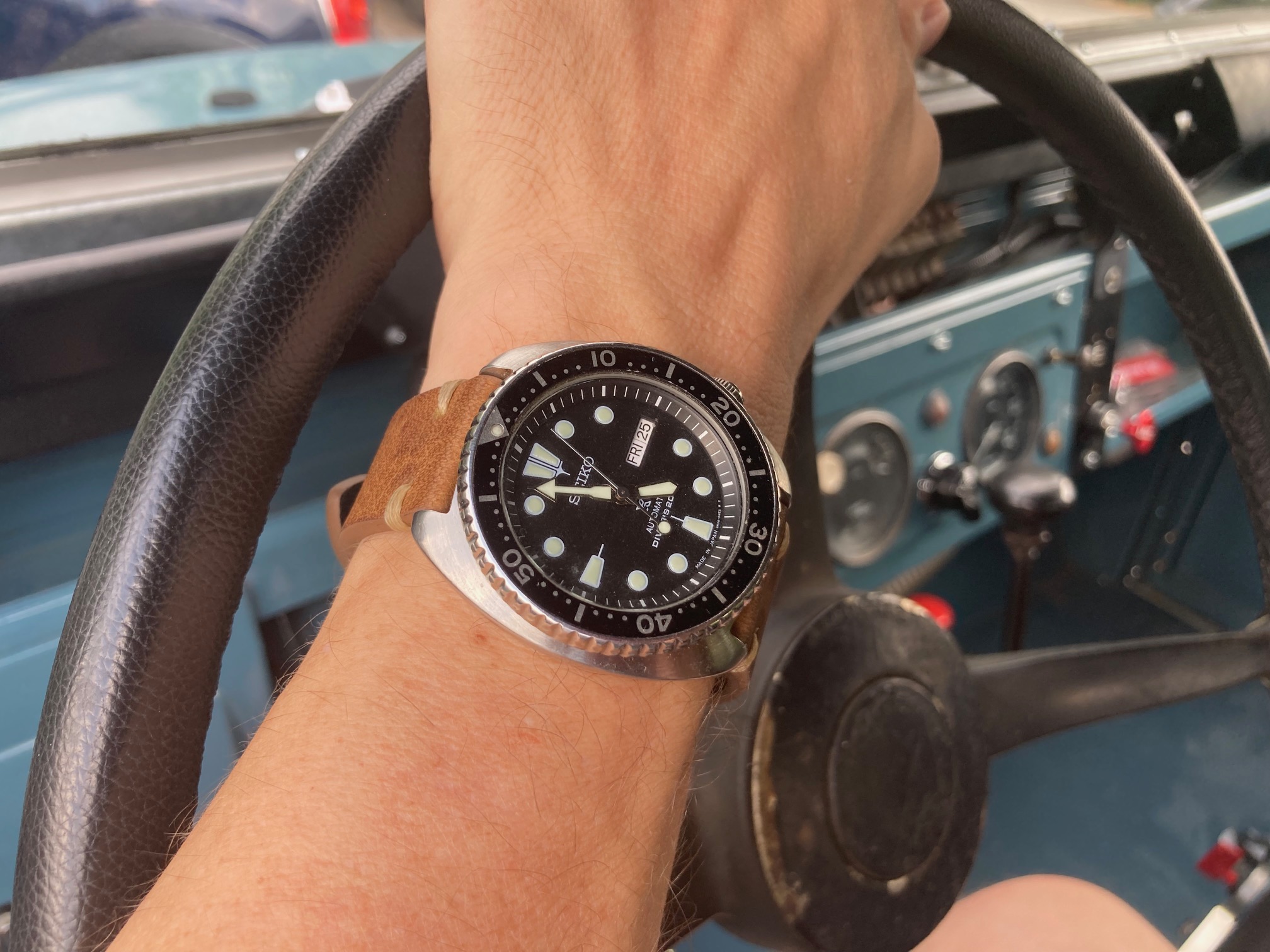
SEIKO - Divers (6105, 6309 and their followers)
Timeless timekeeper
Some readers may frown seeing a japanese brand in this section (an old Toyota-antagonist reflex, possibly) but Britain was never a major producer of wristwatches in the 1960s.
Like the old Land Rover, a Seiko was not designed to impress but to serve. Built with purpose, it reminds of an era when the tools quietly did their job for decades.
Produced from 1968 to 1977, one of Seiko's most popular dive watches is the Seiko 6105, because of its (at the time) accessible price
and long production run. Many period photographs show G.I.s wearing the 6105 in Viet Nam, giving the watch a strong connection with field
use.
Starting with the Seiko 6309 (1976 to 1988), Seiko continued the same reputation for durability and affordability,
constantly updating their divers but always keeping their outstanding "value for money" that few can match.
Model displayed is a 2018 Seiko Prospex "Turtle" 4R36-04Y0 (made in Japan) purchased second-hand for around 250$. Funny enough, SEIKO automatic movements that are 40+ years old are still more accurate than many modern Swiss high-end watches...
Of course, the legendary 6105 price tag is on a different league, as it became a truly rare item: clean ones are logically more expensive.